
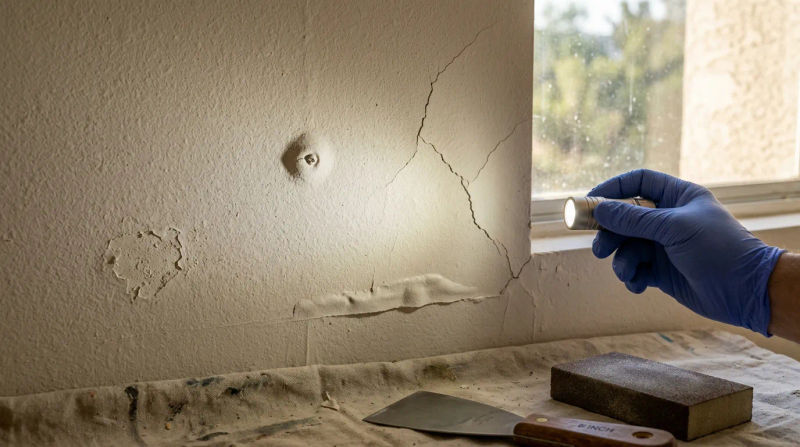
You’ve decided this fall is the perfect time to refresh your home’s interior. You’ve picked out the perfect colors, moved the furniture, and are ready to start. But as you take a closer look at the walls under the bright autumn light, you start noticing things you hadn’t before - a faint crack spidering out from a window frame, a few small bumps in the paint, or a weird bubble near the baseboard. Before you even think about opening a can of paint, it’s crucial to address these underlying issues.
My name is Marisa Delgado, and as a Lead Painting & Surface Prep Specialist, I’ve spent the last 12 years working on homes and businesses here in Hesperia and across the High Desert. I can tell you that a beautiful, long-lasting paint job is only as good as the surface underneath it. Our hot, dry summers and dramatic temperature swings put a lot of stress on a home’s structure, often causing minor drywall flaws to become more obvious. The good news is that early fall is the perfect time to identify and fix these problems before you seal up the windows for the cooler months.
Common Signs and Symptoms
A fresh coat of paint won’t hide surface imperfections for long; in fact, the sheen can often make them more noticeable. Before you begin your project, our technicians recommend performing a thorough inspection of your walls and ceilings. Here are some of the most common drywall repair signs to look for:
- Hairline Wall Cracks: These are thin, fine cracks that often appear vertically or horizontally, especially above doorways and windows. They might seem insignificant, but they are a clear sign of movement that needs to be properly addressed before repainting.
- Nail or Screw Pops: These look like small, circular bumps or craters on the wall surface. They happen when the fastener holding the drywall to the stud begins to push outward or sink inward. To learn how to spot nail pops before painting, shine a bright flashlight parallel to the wall; the shadows will make them easy to see.
- Bubbling or Blistering Paint: This is when paint lifts away from the drywall, forming bubbles or blisters. These can range from small pockets to large sections that feel soft or squishy to the touch. This is a major red flag that requires immediate attention.
- Failing Joint Tape: Drywall sheets are joined together with paper or mesh tape and joint compound. When this system fails, you’ll see long, straight cracks, peeling sections of tape, or wide bulges along the seams of your walls or where the wall meets the ceiling.
- Water Stains or Discoloration: Yellowish or brownish stains on walls or ceilings are almost always a sign of moisture. Even if the area feels dry to the touch now, the stain indicates a past or intermittent leak that has compromised the drywall.
- Dents, Dings, and Gouges: From moving furniture to everyday life, small impacts can leave noticeable damage. While minor, these imperfections will stand out against a freshly painted surface.
- Crumbling or Soft Drywall: If you press on an area and it feels soft, spongy, or crumbles, you’re dealing with significant damage, usually caused by prolonged exposure to moisture.
What Causes This Problem
Understanding the root cause of these issues is key to implementing a lasting repair. Here in the High Desert, we see a few common culprits that our trained crews are very familiar with.
First, thermal expansion and contraction are major factors. The intense heat of a Hesperia summer causes building materials to expand, and the cooler nights cause them to contract. This constant movement puts stress on drywall seams and fasteners, leading to hairline wall cracks before repainting and nail pops. Many homes in our area, particularly those built in the 1990s and 2000s, have had decades to settle, and this natural process is often accelerated by our region’s temperature extremes.
Moisture is the primary driver behind the most serious issues. The main paint bubbling on drywall causes is water or water vapor getting trapped behind the paint film. This can come from a slow plumbing leak, a compromised roof, window seals that failed during a storm, or even high humidity in a poorly ventilated bathroom. This moisture also causes water stains and, if left unchecked, will break down the gypsum core of the drywall until it becomes soft and crumbly.
Improper installation or past repairs can also be to blame. If joint tape is peeling, it often means not enough compound was used, or it was applied over a dusty surface, preventing a strong bond. Bubbling paint can also occur if a previous painter applied a new coat over a dirty, greasy, or damp wall. Our standardized processes emphasize meticulous cleaning and priming to prevent these exact issues.
Finally, settling and framing shrinkage are common causes of nail pops. As the wooden studs behind the drywall dry and shrink over time, they can pull away from the drywall sheet, leaving the nail or screw head to “pop” out. This is very common in newer construction but also happens in established homes as the wood framing continues to acclimate.
When to Call a Professional
Once you’ve identified the problems, the next question is whether to tackle them yourself or bring in an expert. While some minor fixes can be a DIY project, many drywall repairs require a specific skill set to achieve an invisible finish.
You can likely handle these repairs yourself:
- Filling a few small nail holes or minor dings with spackle.
- Repairing a single, small nail pop that isn’t accompanied by other issues.
- Patching a very small, stable hairline crack that doesn't seem to be growing.
We recommend calling an experienced professional for:
- Widespread Issues: If you see dozens of nail pops, cracks in multiple rooms, or peeling tape along several seams, the job can quickly become overwhelming. Our organized crews have the workflow and capacity to address these systemic issues efficiently.
- Moisture-Related Damage: This is non-negotiable. Any sign of bubbling paint, water stains, or soft drywall requires a professional diagnosis. The source of the water must be found and fixed before any surface repair begins. Simply patching over it will guarantee failure.
- Large or Recurring Cracks: Cracks wider than 1/8 of an inch, diagonal cracks running from corners, or cracks that have reappeared after a previous repair often point to deeper structural movement that needs an expert assessment.
- Ceiling Repairs: Working overhead is difficult, messy, and physically demanding. Our technicians are equipped with the proper tools, scaffolding, and containment measures to perform ceiling repairs cleanly and safely.
- Texture Matching: The single hardest part of drywall repair is blending the patch seamlessly with the existing wall texture. Whether you have orange peel, knockdown, or a custom texture, it takes years of practice to match it perfectly. An experienced professional has the techniques to make the repair completely disappear under a new coat of paint.
Conclusion
A flawless paint finish begins long before the first coat is applied. It starts with a smooth, stable, and perfectly prepared surface. Taking the time this fall to inspect your walls and address any underlying drywall repair signs is the most important investment you can make in your painting project. Painting over cracks, bubbles, or stains is a temporary fix that will ultimately fail, costing you more time and money in the long run.
By addressing these issues now, you ensure your new paint job will look beautiful and professional for years to come. Don't let minor flaws compromise the quality of your investment.
If you notice any of these signs, contact a local Painting professional for an inspection.